How Bad Oral Health Affects Your Body

how Bad Oral Health Affects Your Body 750x400 1
Everyone knows poor oral health has a direct effect on the teeth and gums, causing decay, infections, gum disease, and eventually, tooth loss. But very few people realize the impact oral health issues can have on their overall health and wellness – and that means they’re leaving themselves exposed to an array of serious medical problems.

Oral Bacteria
The mouth is home to millions of tiny bacteria. Many of them are helpful, aiding in breaking down food as part of the first steps in digestion, fighting off bad breath, and even helping prevent more serious oral diseases. But plenty of bacteria found on the tooth surfaces and the soft tissues of the mouth can be very bad, not just for your teeth and gums but for the rest of your body as well.

Sure, we all know to cover our mouths when we sneeze, even if we don’t have a cold; that’s because a sneeze can contain a huge amount of germs that can be passed on to another person. It shouldn’t come as a surprise, then, that those same germs can cause problems in our own bodies. And that’s just what medical research has shown.

Oral Health and Your Body
Gum disease is caused by harmful bacteria that cling to the tooth surfaces and eventually travel down the tooth to the root pocket where they “set up shop” and eventually weaken tooth roots and cause teeth to fall out. But long before that advanced stage of gum disease, those same bacteria can cause inflammation and tenderness in the gums, resulting in tiny openings in the gum tissue that bleed – and that can also admit bacteria to your bloodstream. Once in your blood, these tiny pathogens can travel to other areas of your body, including areas and systems most prone to the bad effects of inflammation.

Plenty of research has examined the association between gum disease and systemic diseases related to inflammation. For instance, several studies have shown gum disease can have a significant impact on diabetes – and the effect goes both ways: People who have diabetes are more likely to have gum disease (possibly because it’s much harder to prevent and control infections), and gum disease can make it much harder to control glucose levels, even raising your glucose, which in turn can make diabetes much more serious.

Gum disease and the inflammation it causes have also been linked with heart disease and stroke. Researchers think these links are probably related to the bacteria’s release of toxins that cause fatty plaques to form inside artery walls, preventing the normal flow of blood and depriving the heart and brain of needed oxygen and nutrients. The same toxins also may cause the liver to produce too many proteins, which in turn can contribute to heart disease and stroke.

And still more studies have suggested a connection between periodontal disease and some types of cancer, including kidney, pancreatic and blood cancers.

Preventing the Effects of Poor Oral Health
Keeping your teeth and gums healthy takes some work, but with good habits, you can easily get – and keep – the upper hand. It all begins with regular brushing and flossing using the right techniques (your hygienist can critique your results and give you tips to improve both these important routines). And of course, having twice-yearly checkups and cleanings is essential for catching and treating gum disease in its earliest stages, before the bacteria have a chance to cause local or widespread damage.

Want to make sure you stay as healthy as possible? Call Princeton Center for Dental Aesthetics and Implants at 609-924-1414 and schedule a dental checkup today.

ORAL CANCER: 5 signs to Watch Out for

blog placeholder

Every year, more than 50,000 people are diagnosed with oral cancer in the U.S., according to the American Cancer Society, and about 10,000 people die as a result of the disease. Many cases of oral cancer are caught during a routine dental exam or office visit. And for people who have oral cancer screenings every year (or even every six months), there’s a good chance the cancer will be caught in its early stages, when it’s most treatable.

Unfortunately, all too many people postpone their dental visits, sometimes waiting several years between checkups and cleanings. And that means oral cancer can go undetected – and grow – for much longer.

Obviously, one of the most important things you can do to make sure cancer is caught in its very early stages is to see your dentist regularly – typically every six months for a routine checkup and oral cancer screening, but at least once each year. In between visits, you can do a little self-examination to look for these symptoms associated with the early stages of oral cancer:

5 Signs

Mouth sore that doesn’t heal.
Sores are often the first sign of oral cancer, and they can occur anywhere in the mouth, including the palate and gums, or on the front or back of the lips. Not every sore is cancerous; in most cases, sores will heal and disappear within a week or so. But if you have a sore that hasn’t healed in two weeks or more – or a sore that continues to grow larger – it could be a sign of oral cancer.

Discolored “patches” in the mouth.
In addition to sores, white, pale or oddly-colored patches of tissue in your mouth or on your lips can also be a sign of cancer. Sometimes, these patches are slightly raised above the surface of the surrounding tissue. In a few cases, they may bleed.

Bleeding Gums
Bleeding gums are most often a sign of gum disease (which also needs prompt attention!), but it can also be caused by cancerous growths. Bleeding can occur anywhere in your mouth as well as your throat.

Hoarse voice
Cancer that develops in the throat may cause a person’s voice to become hoarse or to change in another unusual way.

Loose tooth
Most teeth become loose as a result of decay or trauma. But sometimes, a cancerous growth will push against the tooth, causing it to become loose or “wobbly.”

Oral Cancer Screenings
Oral cancer screenings are quick and painless. First, the dentist will look for visible changes associated with cancer. Then, the dentist will use a special swab or brush to gently wipe the inside surfaces of your mouth, collecting a small sample of cells. The swab will be sent to a lab where the cells will be carefully examined. If your dentist notices an unusual area in your mouth, they may take a very tiny sample of tissue for further evaluation. The area will be numbed before the tissue sample is collected.

Regular oral cancer screenings are essential for helping you maintain not only good oral health but good overall health as well. If you notice any unusual changes in your mouth, your bite, your throat, your lips or your voice, it’s always a good idea to call the office.

And one more thing: While tobacco users are more likely to develop oral cancer, the disease can – and does – occur in anyone. Whether or not you have a history of smoking, you need regular oral cancer screenings to help you stay healthy.

Call Princeton Center for Dental Aesthetics & Implants today at 609-924-1414 to schedule your screening.

Why Go to a Holistic Dental Practice.

img blog why holistic 750x400 1

Everybody knows they should see their dentist twice a year for cleanings and checkups. And the benefits of regular cleanings and evaluations are pretty clear. What’s not so clear is why you should see a holistic dentist for your oral care needs, and how visiting a holistic dentist can actually benefit your health.

4 Benefits of Holistic Dental Care

Before delving into the benefits, it’s important to understand what the term “holistic dentistry” means.

  1. 1. Briefly, holistic dentistry is focused on providing care that’s beneficial for your overall health as well as your oral health. And that leads us into the first benefit of seeing a holistic dentist: Holistic dentistry focuses on the whole person, not just their teeth and gums. Traditional dental practices provide cleanings, fillings and other care that’s aimed to improve your oral health. And that’s great. But they typically tend not to consider how these treatments may be affecting your overall health. Amalgam fillings are a great example. A traditional dentist may use amalgams because they’re durable, easy to use and cheap. Filling your tooth with an amalgam restores the tooth and prevent further decay, which is great for your oral health. But these fillings also contain mercury, which, if released to the body, could pose serious health risks – especially if you have multiple fillings. A holistic dentist uses filling materials that are free of metal and harmful chemicals to protect both your oral health and your overall health as well.
  2. Holistic dentistry is focused on prevention. Holistic dentists understand the important connection between your oral health and your overall health, and they provide in-depth guidance and advice to help you develop the healthy habits that can improve both. That includes advice about your diet, managing stress and taking care of other health-related issues that could have an impact on your oral health as well.
  3. Holistic dentists provide an individualized level of care – for every patient. Everyone is different, and that means everyone’s health needs are different too. Holistic dentists know that – and they fine-tune their care to reflect each patient’s specific and unique needs. Your treatment plan will be different from any other patient’s because it will be focused solely on your health profile, your lifestyle, and your needs and goals.
  4. Holistic dentists use safe materials and safe practices. As mentioned in number 1 above, holistic dentists are very careful about the materials and techniques they use during treatment because they understand the impact those choices can have on oral and overall health, both now and in the future. Metal-free fillings are just one of many ways a holistic dentist focuses on safer, healthier materials and methods, in treatment and in preventive care as well.

Is holistic care as effective as traditional dental care?
Absolutely! Holistic dentists have the same training as other dentists – but they also have additional training in holistic approaches to care. That means you’ll have the widest number of options when it comes to selecting the best treatment for you, so you can feel confident about your treatment – and your results – from start to finish.

At Princeton Dentistry, we know your health is important to you, and that’s why it’s important to us. Our team is trained in holistic techniques aimed at helping each patient enjoy better oral and overall health, as well as beautiful, natural smiles. To learn more about the holistic practices and materials we use and to schedule your own checkup, call Princeton Center for Dental Aesthetics & Implants at (609) 924-1414 today.

Set the Course For Healthy Living;See your Family Dentist Regularly

2019 08 22

Regular dentist visits are an essential part of overall healthy living that the entire family can benefit from. Routine dental visits provide a number of benefits for children, teens, and adults that extend far beyond simply having a nice smile.

Healthy dental care routines and regular dental visits are great goals to have in and of themselves and are great tools in setting the course for younger generations for healthier living. Here’s what you should know about how routine family dental visits and healthy living go hand in hand!

Benefits of Seeing Your Family Dentist Regularly

It’s Been A Long Time Doc – It’s not uncommon for people to skip visits (sometimes for years or even decades. This can be due to anxiety, financial concerns, or simply assuming their teeth are fine because there’s no pain or visible damage. Unfortunately, this isn’t always the case. There are a number of underlying dental issues that don’t always have straightforward symptoms or visible signs that call attention, like a cavity or broken tooth.

These types of dental issues will need the trained eye and expertise of a dental professional to diagnose and treat. Regular family dentist visits are the first line of defense against dental issues and truly sets the course for healthy living. 

Overall Healthy Living – Multiple studies have shown that there is a strong link between your dental health and your overall health. Underlying issues with your teeth and gums can ultimately affect other systems of your body including the circulatory, respiratory, digestive, and reproductive systems. Regular visits to your family dentist can help reduce the risk of other serious health issues. 

Boost in Confidence and Improved Self-Esteem – Your smile is one of the first things people notice and plays a big role in first impressions. Having a healthy, bright smile can make a drastic difference in the way you feel and does wonders for the self-esteem regardless of your age. 

Princeton Center for Dental Aesthetics & Implants is a family owned practice, operating in downtown Princeton, NJ for over 35 years.  New patients are welcome.  Call us at 609-924-1414 to schedule an appointment.  Free Parking.

Why it is Now Safe to Go to Your Dentist

DRS HUCKEL 2019 04 18 02 750x400 1

For months, most dental offices were closed due to the coronavirus, aside from emergencies. However, as cases are beginning to die down, dental offices around the country are opening again – leaving people to wonder whether it’s truly safe to finally get their regular checkups and fillings again.
The answer is yes. Dental offices are now taking many new precautions to protect you, their other patients, and themselves from the risk of coronavirus exposure.
How You’ll Be Protected When You Visit The Dentist

1 – Reduced appointment bookings
Most dental clinics are deliberately not filling all their appointment slots, to minimize the number of people who might end up waiting. Ideally, if you show up to your appointment time, you’ll be able to walk right in.

2 – Waiting Areas
If you do have to wait for your appointment you will be directed to a seat in your office’s waiting area that allows for proper social distancing, or you may have the option to call when you arrive and wait from your vehicle until your provider is ready to see you.

3 – Extra PPE
Dentists are going all out with their personal protective equipment. Expect to see people dressed more like it’s the emergency room, with full-body suits, gloves, and large plastic faceplates to protect you and them from potential disease transmission.

4 – No shared entertainment items
Unfortunately, one thing that has to be eliminated are items intended to be shared among multiple people, such as books and magazines in the waiting room, or toys for children. They’d just be vectors for disease transmission. So, we recommend bringing your own entertainment, particularly if you’re there with kids who need distractions.

5 – Increased disinfecting
Expect your dentist’s office to smell even more dentist-y than ever before. Offices will be regularly spraying disinfectant all over their offices and equipment, and after every appointment, to further reduce the chances of any viruses remaining after a patient has left.

6 – Changes to procedures

One of the biggest risks in terms of spreading disease via dentistry is that so many typical dental procedures end up creating an aerosol that could contain a viral load. For example, use of water jets instantly creates a spray of potentially-contaminated liquid after it hits a patient’s mouth. Dentists are changing their methods in numerous procedures to prevent this from happening.
In short, dentists are taking many steps to protect you in their offices. So if you’re late for your yearly checkup, don’t delay.

Contact Princeton Center for Dental Aesthetics and Implants today, 609-924-1414.

Oral Health & Covid-19

DR HUCKLE 750x400 1

Is there a link between a person’s susceptibility to the COVID-19 coronavirus, and their oral health?  Turns out, there may be!  If you have existing dental issues, you should be working with your dentist to fix the problem, otherwise you could be leaving yourself vulnerable.

The Link Between Oral Health And Body Health


Dr. Kirk Huckel thumbnail for video homepage 1
 

In general, your mouth is one of your first lines of defense against any diseases trying to enter your body – including COVID-19.  Because so much air, food, and liquid enters your body through your mouth, your body has robust defenses in place to help prevent disease transmission.  In a healthy person, their mouth acts as a barrier to infection.

However, for someone suffering from dental disease, it’s another issue.  There are two major factors at work.

First, if someone already has an infection in their mouth, that means their body’s immune system will be focused on fighting off that illness.  If another disease moves into the body, there will be far fewer resources available to attack the new invader.  Like fighting a war on two fronts, the body probably won’t be able to stop multiple diseases from attacking at once.

Also, many forms of oral disease create cuts, sores, or other holes in the skin within the mouth.  This creates an open door for diseases like COVID-19 to enter the body.

Of course, this is all true for literally any illness.  If you have a healthy mouth, you’re more likely to have a healthy body too.  

A Direct Link Between Oral Health And COVID-19?

Research is ongoing, but it seems there may also be a much more direct link between the coronavirus, and a patient’s health.  A new study was recently published in the British Dental Journal, based on patient outcomes among dentists in England.  

They found that patients with COVID-19 and oral disease had a much higher chance of passing viruses between the mouth and the lungs.  Disease in the mouth tends to migrate to the lungs, and vice-versa.  This, the researchers believe, is one of the key factors in creating complications in COVID-19 cases.  Patients, their bodies already stressed by the coronavirus, become far more susceptible to other viral or bacterial infections as well.

In short, it’s more important than ever to protect your oral health!  Dental clinics around the country are now reopening, so if you’re late for your annual checkup, contact Princeton Center for Dental Aesthetics & Implants at 609-924-1414

Taking Safety Above and Beyond for our Patients

DRS HUCKEL 2019 04 18 02 750x400 1

KirkHuckelthumb

It is always important to consider the safety practices your dentist takes to ensure you are getting the best care possible. COVID-19 has heightened this feeling and emphasized the necessity of hygienic practices in all spaces.

Even prior to the COVID-19 pandemic, Princeton Center for Dental Aesthetics & Implants has gone above and beyond to create the safest environment for our patients, but now more than ever we want to highlight our safety measures and protocols.

Setting the standard for safety and best practices, Princeton Center for Dental Aesthetics & Implants has implemented the following tools.
 

Installation of Air Purifiers

 
            We have installed air purifiers in the office to re-circulate the air inside. Portable air cleaners and HVAC filters have been shown to reduce airborne pollutants, including viruses. While these alone are not enough to prevent the spread of the coronavirus, used in conjunction with our other safety practices, they will likely help lessen the risk of the COVID-19 virus. Additionally, air purifiers strive to remove minor impurities in the air we breathe. They can remove particles from pollen, dust, mold, etc. and they are a great way to ensure the air in our office is pure.
 

Purchase of High-Tech ADS Extraoral Dental Suction Systems

            Our office recently purchased an ADS Extraoral Dental Suction device. During a typical dental procedure, millions of droplets and aerosols are spewed from the patient’s mouth. This high-tech device removes a high volume of particles from the air to prevent them from sticking to the dentist’s body. The device sits above the patient’s mouth and removes droplets, aerosols, viruses, blood, or any other particle that may be ejected from the patient’s mouth. There is a patient comfort guarantee and because the device creates minimal noise and does not touch the patient, there is virtually no reason for the patient to even notice the device is being used.
            The device itself uses a medical grade filtration system. There is a HEPA filter in the system that kills viruses and germs with 99.995% efficiency. In addition, there is a UV light disinfection system that aids in killing the viruses and germs in the filter.
 
These systems, in addition to more common safety protocols, reflect our promise to provide the highest quality of care to our patients. Call Princeton Center for Dental Aesthetics & Implants today at 609-924-1414 to schedule an appointment!

How to Prevent Tooth Discoloration and Whiten Your Teeth

Healthy eating woman dieting for the gym

Why do your teeth turn yellow over time?

Are you afraid to smile in pictures because of the color of your teeth? Have you ever considered whitening your teeth but you’re not sure where to start? There are countless products available to help you achieve a whiter smile, some are even available at your local drugstore or pharmacy. Before understanding how to lighten your smile, it is important to comprehend the reasons your teeth begin to get darker over time.

There are many factors and habits that can lead to darkening of your teeth. Your diet can affect the color of your teeth. Drinking sodas, coffee, and wine will lead to staining by damaging the enamel of your teeth. This is one of the most common causes of discoloration. Another extremely common issue is smoking. These stains can be extremely stubborn and difficult to correct. Certain medications or genetic predispositions can lead to discoloration of the teeth as well.

There are two layers of your teeth: the enamel is the transparent outer layer and the dentin is the internal part that contains the color. With time, the enamel begins to thin out from acid erosion or simply from using your teeth and this causes the dentin to be more prevalent. This is why people say your teeth get darker with age.

Natural Teeth Whitening Methods

Activated Charcoal: Brushing your teeth with black charcoal can alleviate some of the stains on your teeth over time because the charcoal absorbs the stains.

Oil Pulling: Put one to two tablespoons of coconut oil in your mouth and swish it around for about 15 minutes. This helps “pull” bacteria and stains out of your teeth.

Hydrogen Peroxide or Baking Soda: Both of these substances help oxidize and alkalize, but they need to sit on the teeth for some time to work.

Professional Teeth Whitening

There are various in-office procedures for teeth whitening and Princeton Center for Dental Aesthetics and Implants offers the leading selection of these methods. Typically, these procedures include a high concentration of peroxide gel that is applied to the teeth. These sessions can take as little as 20 minutes and are ideal for maximum results. Custom trays can be made to continue the process at home and ensure that the results last.

If you are interested in having a brighter smile, call Princeton Center for Dental Aesthetics and Implants at 609-924-1414 to schedule an appointment.


The Best and Worst Halloween Candies

erik mclean bFHt wvDEXA unsplash 750x400 1


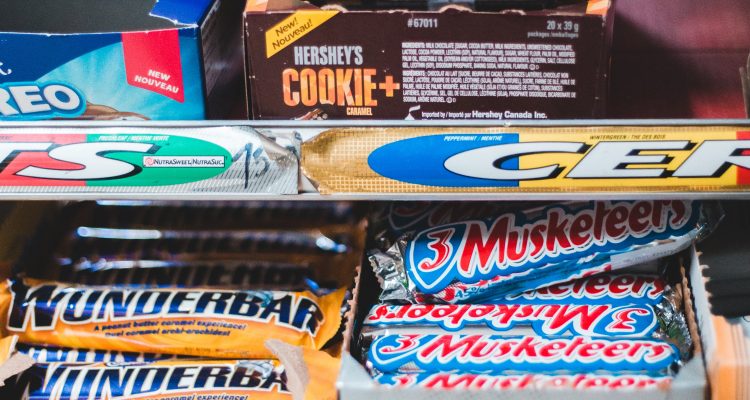
            The day the temperature seems to drop 20 degrees, we immediately begin thinking about Halloween. As kids, this holiday was among the most exciting times of the year. If we were lucky, we received seemingly infinite amounts of candy that would take almost the entire year to consume. Eating tons of candy is all fun and games until you visit the dentist and learn you have countless cavities. When you eat sugary foods, the bacteria in your mouth produces a weak acid. This acid eats away at the minerals in your tooth’s surface, making your tooth weaker and increasing the chance of a cavity forming

Here at the Princeton Center for Dental Aesthetics and Implants, we want to make sure you and your family maintain pristine oral health while also enjoying the fun holiday. Here is a list of the safest and worst candy to indulge in from an oral health perspective.

chocolate candy

Chocolate                                                                                             

 Chocolate is among the best candies for the health of your teeth, which is good because they are a candy commonly passed out on Halloween. Chocolate washes off your teeth easier and faster than other candies, giving bacteria less chance to create a cavity. Additionally, dark chocolate contains less sugar than milk chocolate.

Sugar-Free Candy

            Since sugar is the enemy of your oral health, these candies are not bad for your teeth. These candies also stimulate saliva production, which is positive for your teeth. Excess saliva eliminates some of the bacteria and plaque that cause cavities and other tooth problems.

Gummy Candy

            Gummy bears, gummy worms, etc. are among the worst candies for your oral health! These candies stick to your teeth and are hard to remove. This gives the cavity-causing bacteria more time to eat away at your teeth.

Hard Candy

            These candies are also notably damaging to your teeth. If you are not careful, it is possible that these candies can break your teeth. Additionally, you tend to keep these candies in your mouth for an extended period of time, which causes the sugar to stay in your saliva and coat your teeth.

Sour Candy

            Sour candies have a lot of acid in them which can be dangerous for your teeth. Acid can weaken the hard outer shell of your teeth, which can make your teeth more cavity prone.


            Indulge in some candy on Halloween, but be sure to brush your teeth twice a day and floss daily to prevent cavities and other oral health issues. If you have a toothache or simply want to take preventative measures, call the Princeton Center for Dental Aesthetics and Implants at 609-924-1414 to schedule an appointment!


The Oral Cavity is a Window to the Rest of Your Body

DRS HUCKEL 2019 04 18 02 750x400 1

Many studies have proven that the oral cavity may be seen as the window into the rest of the body. Your mouth can show signs of malnutrition and other general infections. Many systemic diseases, which are diseases that affect the entire body, can first appear through lesions in the mouth or other oral issues. Your mouth is filled with tons of bacteria, some of which are linked to periodontal disease and tooth decay. The mouth also acts as an entry point to your digestive system and respiratory system, and some of the bacteria present in your mouth can cause problems throughout your body. Periodontitis, an advanced form of periodontal disease, has been proven to be linked to other health problems, such as cardiovascular disease, stroke, and bacterial pneumonia. Additionally, pregnant women with periodontitis may be at an increased risk of delivering their child prematurely and delivering low-birth-weight babies.

Many studies have linked periodontal disease to cardiovascular diseases. Oral bacteria may be linked to heart disease, arterial blockages, and stroke. Similarly, certain diseases, such as diabetes, blood cell disorders, HIV and Aids can lower the body’s resistance to infection, therefore making periodontal diseases more severe. Furthermore, people with diabetes often have periodontal diseases.

Given these linkages between periodontal disease and overall health, it is important to take preventative measures to maintain your health and wellbeing. Below are some steps you can take to prevent periodontal disease:

  • Brush your teeth thoroughly twice daily. Floss your teeth at least once a day.
  • Choose oral hygiene products recommended by your dentist.
  • Eat a balanced diet.
  • Visit your dentist at least twice a year. Professional cleanings are the only way to remove tartar, which traps plaque bacteria along the gum line.
  • Provide your dentist with information about recent illnesses or chronic diseases you may have.

            At the Princeton Center for Dental Aesthetics and Implants, we take a holistic approach to dentistry. This means we focus on how your oral health can affect the rest of your body. It is important to take preventative measures not only to ensure your oral health is intact, but also to confirm that the rest of your body is functioning properly. To learn more about our holistic approach, visit our website: https://princetondentist.com/dental-services/advanced-dental-hygiene/  call us at 609-924-1414 to schedule an appointment.