11 Chambers Street · Princeton, NJ


You sleep the whole night and wake up as though you never did. Maybe you snore. Maybe your partner has stopped mentioning it. Those mornings are worth looking into, because unrefreshing sleep is often a sign that breathing is being interrupted.
Request a Consultation


Only a physician can diagnose obstructive sleep apnea or any other sleep disorder. We screen during an ordinary dental visit, help you arrange a sleep study with a sleep physician, and, if that physician diagnoses apnea and orders an oral appliance, make it, fit it, and follow it.
Snoring is never treated here before obstructive sleep apnea has been ruled out. Sometimes snoring is just snoring. It can also be the visible edge of something that matters much more, and quieting the noise before anyone knows which would be the wrong favor to do you.
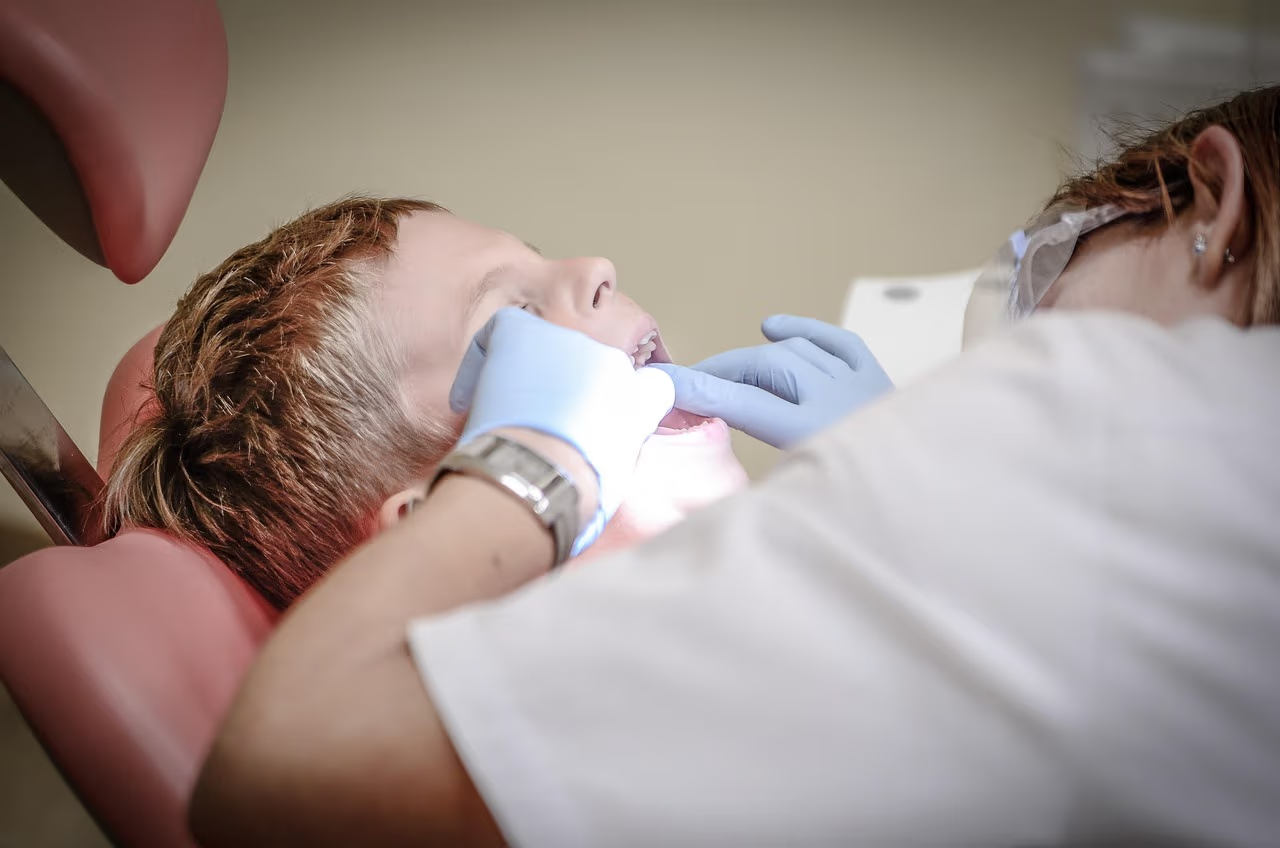
We ask about loud or habitual snoring, waking often through the night, sleep that never leaves you rested, morning headaches, daytime sleepiness, measured on the short Epworth sleepiness scale, and whether you have been told your blood pressure is high.
Then we look. Scalloped edges along the sides of the tongue, teeth worn flat or chipped: these can point toward clenching, grinding, and a body working harder than it should to keep an airway open at night.
That does not make us the ones who diagnose. It does often make us the ones who notice.
Small device, quiet mechanism, careful details.
An oral appliance is made to fit only your teeth. Worn during sleep, it holds the lower jaw forward so the airway behind the tongue stays open.
We record the working bite with a sibilant phoneme technique, you make an “s” sound and the jaw finds its own place, rather than being pushed forward by a mechanical gauge. Patients tend to find it more comfortable and more repeatable.
Which appliance suits you depends partly on the answer, so we assess rather than assume. If nasal breathing is obstructed, that is worth knowing before an appliance is designed.
You will hear from us personally within a few days of receiving your appliance. We then see you weekly at first, at longer intervals as things settle, at six months, and at least once a year after that, checking the fit, the teeth, and the joints.
At around three months we ask your physician for a follow-up sleep study. An appliance that feels fine is not always an appliance that is working, and the study is how anyone knows. Results go to your physician, who directs your sleep care.
Dr. Shanni Reine-Mutch is trained and certified in the Olmos protocol through TMJ & Sleep Therapy Centre International, which is where this structured follow-up comes from.
Request a Consultation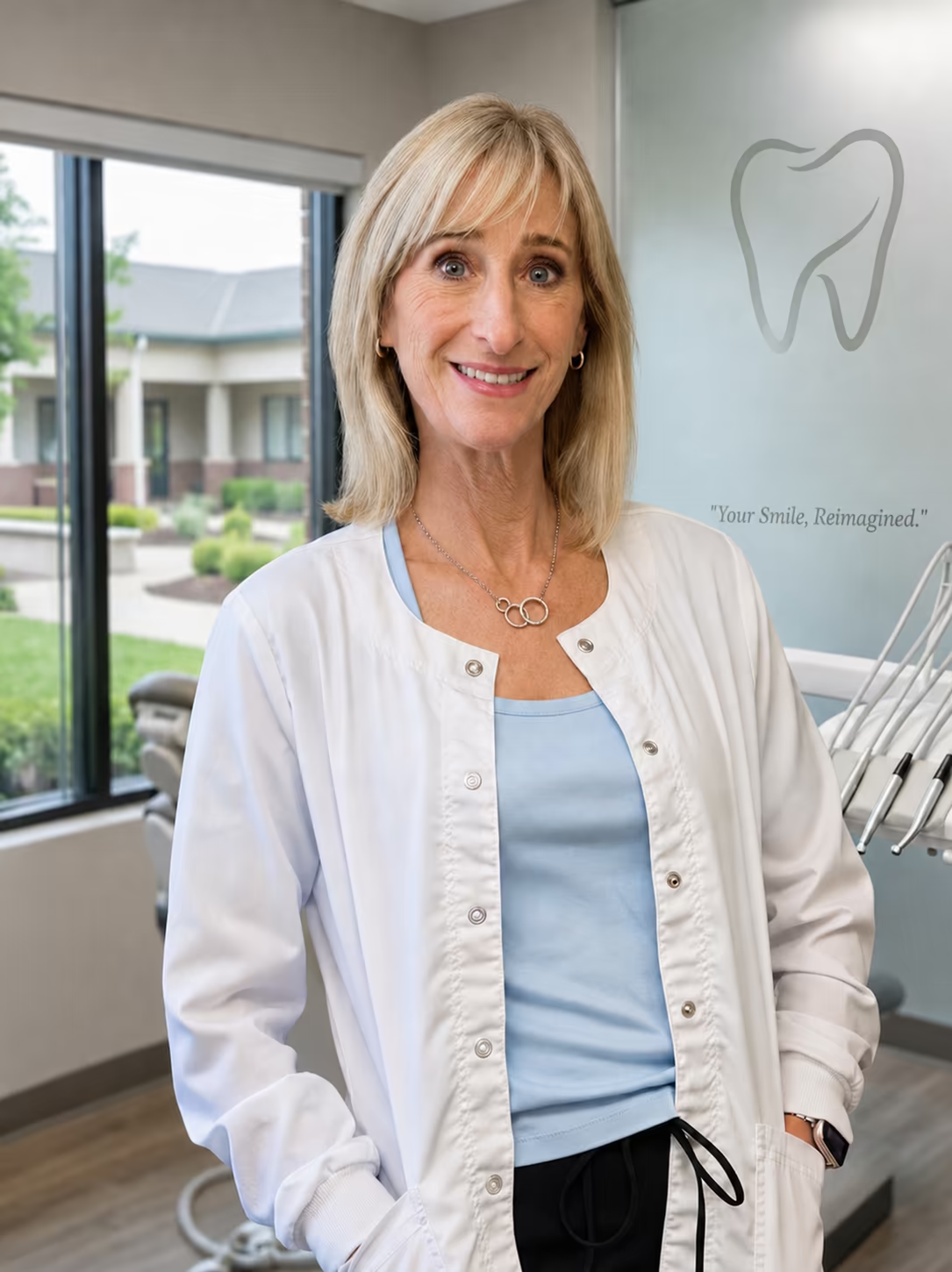
Jaw pain, clenching, grinding, and disordered breathing turn up together often enough that we evaluate them together, which is why an appliance is never made before the airway has been screened. Our TMJ & jaw pain page covers the joint side, and our TMJ & sleep therapy page shows both.
Airway concerns can begin in childhood, while the face and jaws are still developing, so raise it early if you have wondered about your child’s sleep.
Request a Consultation