Taking Safety Above and Beyond for our Patients
DRS HUCKEL 2019 04 18 02 750x400 1

KirkHuckelthumb

It is always important to consider the safety practices your dentist takes to ensure you are getting the best care possible. COVID-19 has heightened this feeling and emphasized the necessity of hygienic practices in all spaces.

Even prior to the COVID-19 pandemic, Princeton Center for Dental Aesthetics & Implants has gone above and beyond to create the safest environment for our patients, but now more than ever we want to highlight our safety measures and protocols.

Setting the standard for safety and best practices, Princeton Center for Dental Aesthetics & Implants has implemented the following tools.
 

Installation of Air Purifiers

 
            We have installed air purifiers in the office to re-circulate the air inside. Portable air cleaners and HVAC filters have been shown to reduce airborne pollutants, including viruses. While these alone are not enough to prevent the spread of the coronavirus, used in conjunction with our other safety practices, they will likely help lessen the risk of the COVID-19 virus. Additionally, air purifiers strive to remove minor impurities in the air we breathe. They can remove particles from pollen, dust, mold, etc. and they are a great way to ensure the air in our office is pure.
 

Purchase of High-Tech ADS Extraoral Dental Suction Systems

            Our office recently purchased an ADS Extraoral Dental Suction device. During a typical dental procedure, millions of droplets and aerosols are spewed from the patient’s mouth. This high-tech device removes a high volume of particles from the air to prevent them from sticking to the dentist’s body. The device sits above the patient’s mouth and removes droplets, aerosols, viruses, blood, or any other particle that may be ejected from the patient’s mouth. There is a patient comfort guarantee and because the device creates minimal noise and does not touch the patient, there is virtually no reason for the patient to even notice the device is being used.
            The device itself uses a medical grade filtration system. There is a HEPA filter in the system that kills viruses and germs with 99.995% efficiency. In addition, there is a UV light disinfection system that aids in killing the viruses and germs in the filter.
 
These systems, in addition to more common safety protocols, reflect our promise to provide the highest quality of care to our patients. Call Princeton Center for Dental Aesthetics & Implants today at 609-924-1414 to schedule an appointment!

How to Prevent Tooth Discoloration and Whiten Your Teeth

Healthy eating woman dieting for the gym

Why do your teeth turn yellow over time?

Are you afraid to smile in pictures because of the color of your teeth? Have you ever considered whitening your teeth but you’re not sure where to start? There are countless products available to help you achieve a whiter smile, some are even available at your local drugstore or pharmacy. Before understanding how to lighten your smile, it is important to comprehend the reasons your teeth begin to get darker over time.

There are many factors and habits that can lead to darkening of your teeth. Your diet can affect the color of your teeth. Drinking sodas, coffee, and wine will lead to staining by damaging the enamel of your teeth. This is one of the most common causes of discoloration. Another extremely common issue is smoking. These stains can be extremely stubborn and difficult to correct. Certain medications or genetic predispositions can lead to discoloration of the teeth as well.

There are two layers of your teeth: the enamel is the transparent outer layer and the dentin is the internal part that contains the color. With time, the enamel begins to thin out from acid erosion or simply from using your teeth and this causes the dentin to be more prevalent. This is why people say your teeth get darker with age.

Natural Teeth Whitening Methods

Activated Charcoal: Brushing your teeth with black charcoal can alleviate some of the stains on your teeth over time because the charcoal absorbs the stains.

Oil Pulling: Put one to two tablespoons of coconut oil in your mouth and swish it around for about 15 minutes. This helps “pull” bacteria and stains out of your teeth.

Hydrogen Peroxide or Baking Soda: Both of these substances help oxidize and alkalize, but they need to sit on the teeth for some time to work.

Professional Teeth Whitening

There are various in-office procedures for teeth whitening and Princeton Center for Dental Aesthetics and Implants offers the leading selection of these methods. Typically, these procedures include a high concentration of peroxide gel that is applied to the teeth. These sessions can take as little as 20 minutes and are ideal for maximum results. Custom trays can be made to continue the process at home and ensure that the results last.

If you are interested in having a brighter smile, call Princeton Center for Dental Aesthetics and Implants at 609-924-1414 to schedule an appointment.


The Best and Worst Halloween Candies

erik mclean bFHt wvDEXA unsplash 750x400 1


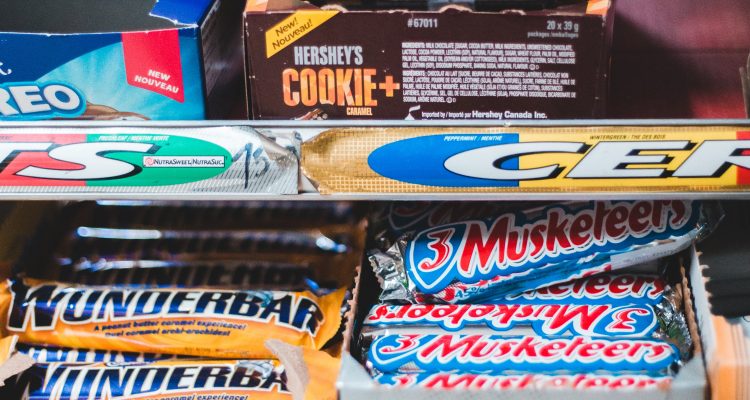
            The day the temperature seems to drop 20 degrees, we immediately begin thinking about Halloween. As kids, this holiday was among the most exciting times of the year. If we were lucky, we received seemingly infinite amounts of candy that would take almost the entire year to consume. Eating tons of candy is all fun and games until you visit the dentist and learn you have countless cavities. When you eat sugary foods, the bacteria in your mouth produces a weak acid. This acid eats away at the minerals in your tooth’s surface, making your tooth weaker and increasing the chance of a cavity forming

Here at the Princeton Center for Dental Aesthetics and Implants, we want to make sure you and your family maintain pristine oral health while also enjoying the fun holiday. Here is a list of the safest and worst candy to indulge in from an oral health perspective.

chocolate candy

Chocolate                                                                                             

 Chocolate is among the best candies for the health of your teeth, which is good because they are a candy commonly passed out on Halloween. Chocolate washes off your teeth easier and faster than other candies, giving bacteria less chance to create a cavity. Additionally, dark chocolate contains less sugar than milk chocolate.

Sugar-Free Candy

            Since sugar is the enemy of your oral health, these candies are not bad for your teeth. These candies also stimulate saliva production, which is positive for your teeth. Excess saliva eliminates some of the bacteria and plaque that cause cavities and other tooth problems.

Gummy Candy

            Gummy bears, gummy worms, etc. are among the worst candies for your oral health! These candies stick to your teeth and are hard to remove. This gives the cavity-causing bacteria more time to eat away at your teeth.

Hard Candy

            These candies are also notably damaging to your teeth. If you are not careful, it is possible that these candies can break your teeth. Additionally, you tend to keep these candies in your mouth for an extended period of time, which causes the sugar to stay in your saliva and coat your teeth.

Sour Candy

            Sour candies have a lot of acid in them which can be dangerous for your teeth. Acid can weaken the hard outer shell of your teeth, which can make your teeth more cavity prone.


            Indulge in some candy on Halloween, but be sure to brush your teeth twice a day and floss daily to prevent cavities and other oral health issues. If you have a toothache or simply want to take preventative measures, call the Princeton Center for Dental Aesthetics and Implants at 609-924-1414 to schedule an appointment!


The Oral Cavity is a Window to the Rest of Your Body

DRS HUCKEL 2019 04 18 02 750x400 1

Many studies have proven that the oral cavity may be seen as the window into the rest of the body. Your mouth can show signs of malnutrition and other general infections. Many systemic diseases, which are diseases that affect the entire body, can first appear through lesions in the mouth or other oral issues. Your mouth is filled with tons of bacteria, some of which are linked to periodontal disease and tooth decay. The mouth also acts as an entry point to your digestive system and respiratory system, and some of the bacteria present in your mouth can cause problems throughout your body. Periodontitis, an advanced form of periodontal disease, has been proven to be linked to other health problems, such as cardiovascular disease, stroke, and bacterial pneumonia. Additionally, pregnant women with periodontitis may be at an increased risk of delivering their child prematurely and delivering low-birth-weight babies.

Many studies have linked periodontal disease to cardiovascular diseases. Oral bacteria may be linked to heart disease, arterial blockages, and stroke. Similarly, certain diseases, such as diabetes, blood cell disorders, HIV and Aids can lower the body’s resistance to infection, therefore making periodontal diseases more severe. Furthermore, people with diabetes often have periodontal diseases.

Given these linkages between periodontal disease and overall health, it is important to take preventative measures to maintain your health and wellbeing. Below are some steps you can take to prevent periodontal disease:

  • Brush your teeth thoroughly twice daily. Floss your teeth at least once a day.
  • Choose oral hygiene products recommended by your dentist.
  • Eat a balanced diet.
  • Visit your dentist at least twice a year. Professional cleanings are the only way to remove tartar, which traps plaque bacteria along the gum line.
  • Provide your dentist with information about recent illnesses or chronic diseases you may have.

            At the Princeton Center for Dental Aesthetics and Implants, we take a holistic approach to dentistry. This means we focus on how your oral health can affect the rest of your body. It is important to take preventative measures not only to ensure your oral health is intact, but also to confirm that the rest of your body is functioning properly. To learn more about our holistic approach, visit our website: https://princetondentist.com/dental-services/advanced-dental-hygiene/  call us at 609-924-1414 to schedule an appointment.


Breast Cancer Awareness Month: Risk Factors to Watch For

DRS HUCKEL 2019 04 18 40 750x400 1

October means the beginning of fall, Halloween, and most importantly, breast cancer awareness month. Breast cancer is the second most common cancer in women after skin cancer. In 2017, 250,520 cases of breast cancer were reported in women in the United States. In Mercer County from 2013-2017, there were 1,582 new cases of female breast cancer. While it is more common for women over the age of 50 to be diagnosed with breast cancer, it is still possible for younger women to be diagnosed with this type of cancer.

Breast cancer is a cancer that forms in the cells of the breasts. These cells grow at a rapid rate and typically form a tumor that can be seen on an X-ray or felt as a lump. There are some risk factors to be aware of that have been linked to women who have breast cancer. Some of these risk factors cannot be changed, and some of them are related to your lifestyle.

Unchangeable Risk Factors:

About 5-10% of breast cancers are thought to be hereditary; they are caused by gene mutations passed on by your parents. The most common of hereditary breast cancer is an inherited mutation in the BRCA1 and BRCA2 genes. Normally, these genes help make proteins that rebuild DNA. The mutation of these genes can lead toabnormal cell growth that causes cancer.

Another factor that can lead to breast cancer is having a family history of breast cancer. If a first-degree relative of yours has had breast cancer, your chance of getting it almost doubles.


Lifestyle Factors:

            Alcohol intake is directly linked to an increased risk of breast cancer in women. The risk increases with the amount of alcohol consumed. Women who consume 1 drink a day have a 7% increased risk of breast cancer, while women who indulge in 2 or more drinks a day have about a 20% increased risk.

            Another factor that contributes to an increased risk of breast cancer is being overweight after going through menopause. This is because before menopause, your ovaries make most of your estrogen and fat tissue makes a small amount. After menopause, most of a woman’s estrogen comes from the fat tissue. Having more fat tissue will raise the amount of estrogen your body makes and increase your risk of breast cancer.


            Be sure to periodically check for signs of breast cancer and always visit your physician annually to get a professional opinion. If possible, consider donating to the National Breast Cancer Foundation to help women in need.


The Benefits of Maintaining Good Oral Health in a Covid World

DR HUCKLE 750x400 1

The ongoing COVID-19 Coronavirus outbreak has caused a lot of changes to people’s lifestyles in the last year.  Encouraging people to stay home as much as possible has helped slow down the spread of the virus, but it’s also had some downsides – like encouraging people to skip their dental care.

We want people to know: dental offices are safe to visit.  Dentists are employing top-tier techniques to clean and disinfect their offices.  This is important because it’s truly vital to maintain your oral health, even during the pandemic.  It’s not just a good idea for your mouth; it can help protect you from the coronavirus!

Why Maintaining Your Oral Health Is Important During The COVID-19 Outbreak

There are two big factors to consider here.

1 – Poor oral health makes you more susceptible to disease

Having oral disease weakens a patient’s immune system.  If they have oral infections, their bodies’ defenses are occupied trying to fight off those infections.  Worse, untreated oral infections tend to linger, lasting for months or even years.

So anyone with active oral infections is immuno-compromised from the start.  This makes them more susceptible to catching diseases in general, and that definitely includes the coronavirus.  Keeping your mouth healthy means the rest of your body is more likely to be healthy as well.

2 – Poor oral health can make COVID-19 worse

Researchers have been looking into whether there’s any direct link between oral health and either the spread of, or not, of the severity of COVID-19 infections.  And it seems that there is.

First, COVID-19 seems to have an affinity for the mouth, and a diseased mouth gives the disease extra opportunities to breed.  This means an increased viral load is expelled every time an infected person breathes out, making it even more vital that people wear masks in public as much as possible.

Also, it seems that having poor oral health can contribute to the severity of COVID-19 as well.  Basically, the close link between the mouth and the lungs makes it easier for higher amounts of the COVID-19 virus to make their way into the lungs, not to mention the other nasal passages.  So, the infection becomes worse, and harder to treat.

In short, it truly is vital to maintain your oral health during the pandemic.  If it’s been more than six months since your last dental visit (and it probably has) please contact  Princeton Center for Dental Aesthetics & Implants, 609-924-1414.